Community-led conservation & ecosystem restoration
– ICO supports local groups to protect forests, wetlands, and watersheds, combining tree planting with monitoring of biodiversity.
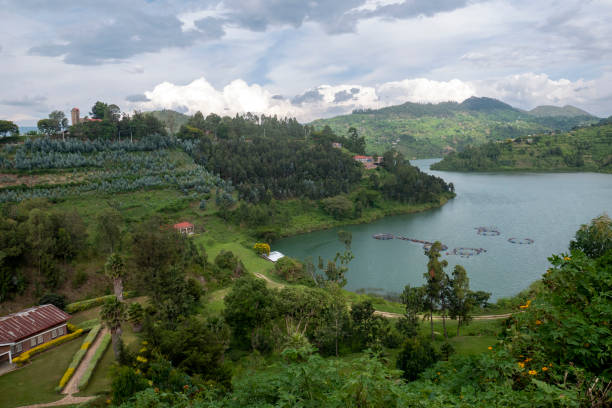
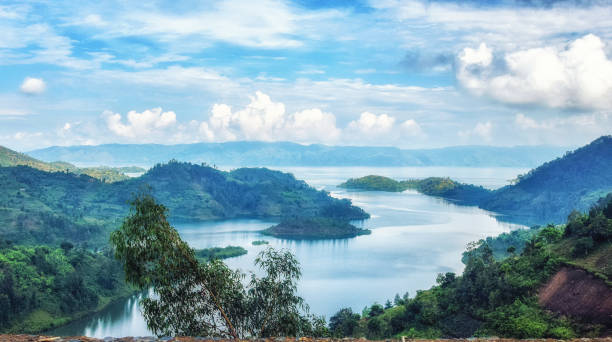
– Restoration often targets Lake riparian zones and degraded ecosystems such as those in Bugesera Lakes and Kivu Lake to enhance wildlife habitats and soil stability.
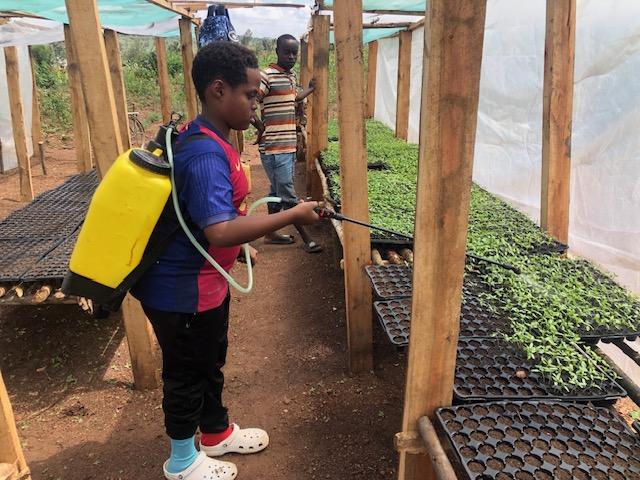
– Training is provided in nursery management, seedling production, and maintenance, ensuring community ownership and ecological viability.
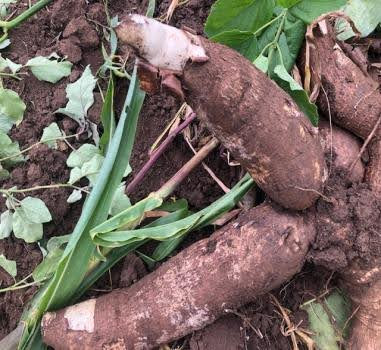
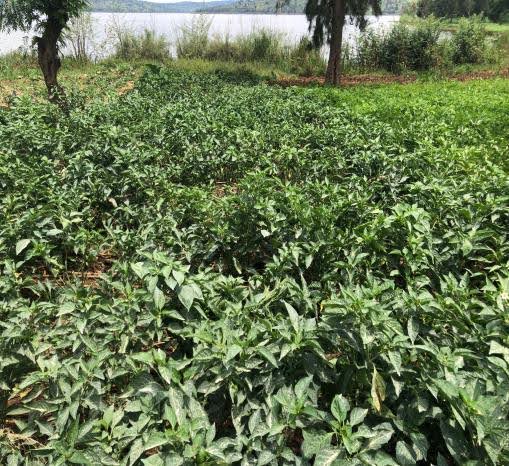
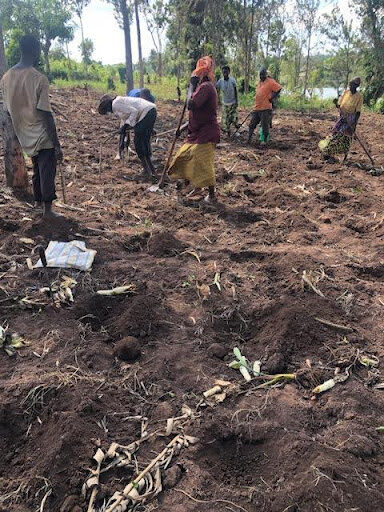
Feasibility studies and pilot programs
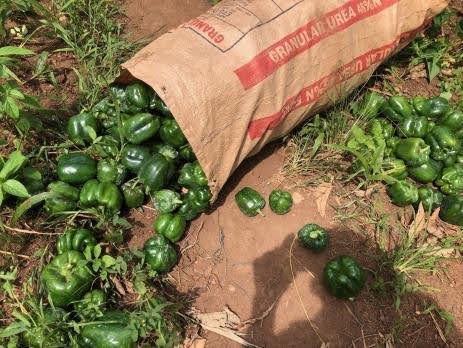
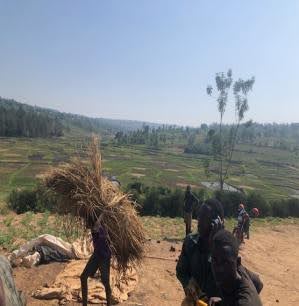
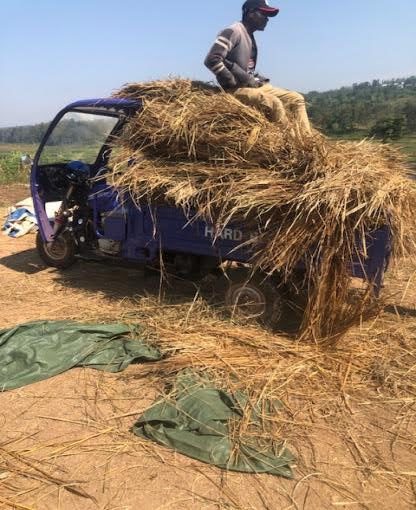
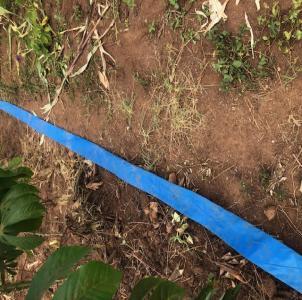
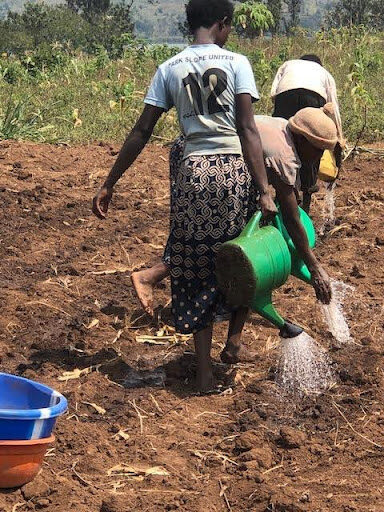
Feasibility studies and pilot programs are being conducted in Kamugore Village, Rutonde Cell, Ngeruka Sector, Bugesera District, with the aim of promoting climate-resilient farming practices integrated with clean energy solutions and modern agricultural technologies.
Climate Change Adaptation & Mitigation
* Promoting climate-smart agriculture & climate-resilient livelihoods
– ICO advocates for conservation agriculture: minimal tillage, crop rotation, agroforestry integration, and organic soil practices.
– Advisory services help farmers anticipate weather patterns and adapt cropping plans.
– Efficient energy use complements these efforts reducing emissions and lessening reliance on biomass.
WASH – Water, Sanitation & Hygiene
* Rainwater harvesting for smallholder households
ICO is planning to install rooftop rainwater harvesting (RWH) systems, including tanks with capacities ranging from 1 to 6 cubic meters and guttered catchments, to support local communities and the most vulnerable populations in villages across the Musanze, Nyabihu, Rusizi, and Nyamasheke Districts of Rwanda.
These tanks capture clean rainwater for hygiene, cooking, and irrigation reducing pressure on groundwater and nearby ecosystems.
Communities are trained to manage, filter, and maintain these systems to ensure long-term access and health benefits.
Sustainable Energy Use
* Biomass energy efficiency & alternative solutions
– ICO runs campaigns teaching households to use fuel-efficient cookstoves and sustainably source biomass, helping curb deforestation and indoor air pollution.
– Educational efforts promote clean stoves, solar options, and alternative fuels to reduce reliance on wood fuel.
Community Empowerment for Environmental Stewardship
Inclusive programs for vulnerable groups
– Special attention is given to elderly-headed (Ubudehe Category E) and female-led households, providing access to environmental education, social protection measures, and community decision-making.
– Capacity-building includes leadership training and forming inclusive water/forest management committees.
– Women and youth especially teenage mothers who are engaged via cooperatives, IGAs, and savings groups. They receive tailored training in sustainable practices and entrepreneurship.
ICO and Agricultural Product Quality
The Impact for Continuity Organization (ICO) provides training to its local partner farmers in conservation agriculture, with the goal of enhancing the quality of agricultural products. This training emphasizes adherence to internal production standards and quality assurance protocols, particularly for export-oriented markets. At the same time, ICO promotes environmentally sustainable practices to ensure the preservation of local ecosystems while achieving high-quality yields.
Promotion of Sustainable Agricultural Practices with Emphasis on Organic Farming Techniques and Composting
ICO NGO is fully committed to the promotion and implementation of sustainable agricultural practices, with a particular focus on organic farming techniques and composting. The organization actively supports the use of natural methods that enhance soil fertility, improve crop productivity, and minimize the reliance on chemical inputs. As part of its environmental stewardship, ICO NGO emphasizes the importance of composting, utilizing fresh organic matter and agricultural waste materials such as crop residues, vegetable peels, and other biodegradable farm by-products to produce nutrient-rich compost. This approach not only contributes to waste reduction and environmental conservation but also fosters long-term agricultural sustainability and resilience among farming communities.
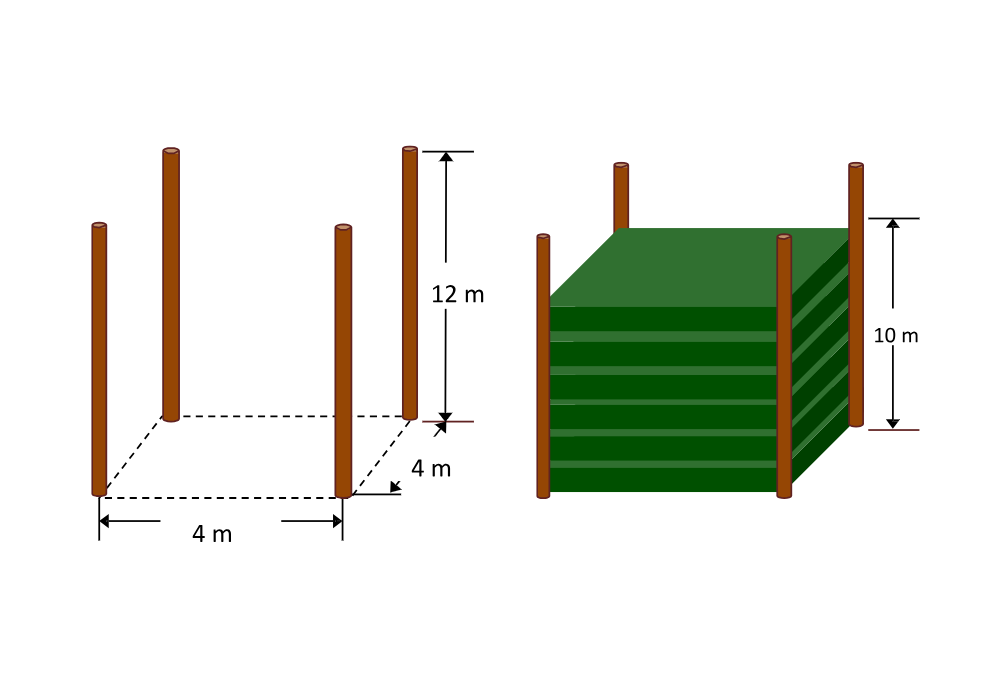
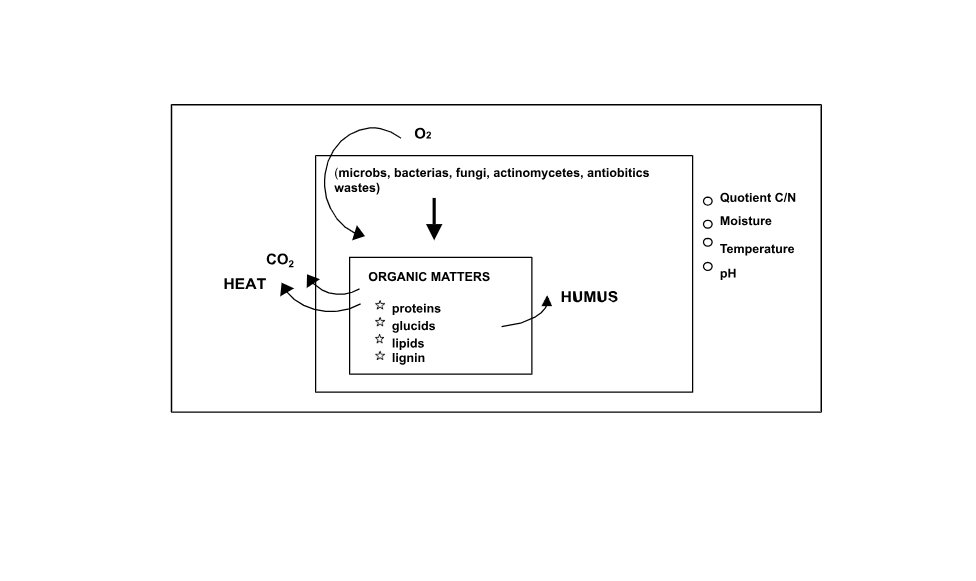
PROJECT THERMOPHILIC COMPOSTING SYSTEM AND CHEMICALS WASTES MANAGEMENT COMPOST MODEL AS IMPLEMETED BY ICO PROJECTS IN RWANDA
Youth Engagement in Conservation Agriculture – An Initiative by Impact for Continuity Organization (ICO)
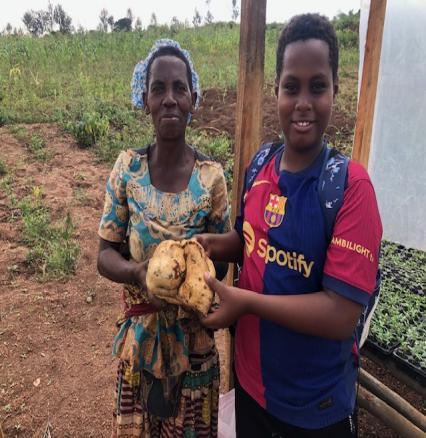
The Impact for Continuity Organization (ICO) has developed a comprehensive program aimed at engaging young people in conservation agriculture from an early age. This initiative seeks to equip youth across Rwanda with practical knowledge and skills in sustainable farming practices, while raising awareness of climate change and its impact on agriculture. By fostering early involvement, ICO aims to cultivate a generation of environmentally conscious agricultural practitioners who can contribute to climate resilience and sustainable development in their communities.
Promotion of Modern Agricultural Techniques among Smallholder Partners
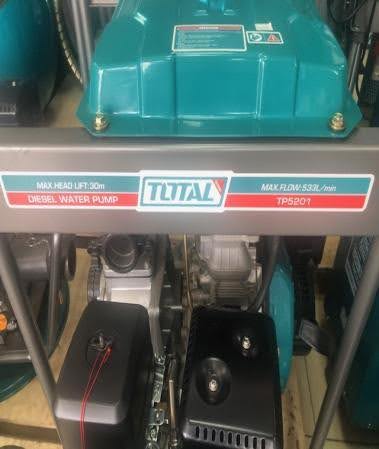
The Impact for Continuity Organization (ICO) is actively working to introduce its smallholder farmer partners to modern agricultural techniques aimed at increasing productivity and promoting sustainability. This initiative includes capacity-building in efficient irrigation systems, conservation agriculture practices, the use of organic fertilizers, as well as the adoption of appropriate agricultural machinery and tools. Through this program, ICO seeks to enhance agricultural performance while ensuring environmental stewardship and long-term soil health
Partnerships & Alignment
– ICO collaborates closely with local governments, international agencies, and donors, aligning efforts with Global Environment Facility (GEF) goals, ecosystem restoration, climate resilience, and sustainable development.
– Programs integrate health support (e.g., Mutuelle de Santé insurance) and sanitation supplies, recognizing environmental well-being is tied to human health.